
The Pain of “Why Did I Do That Again?”
Jack stared at his screen. The red numbers burned into his eyes. He had a plan. A solid one. But he abandoned it. Again. And now? Loss. Regret. A heavy feeling of “guilt in trading” settled in.
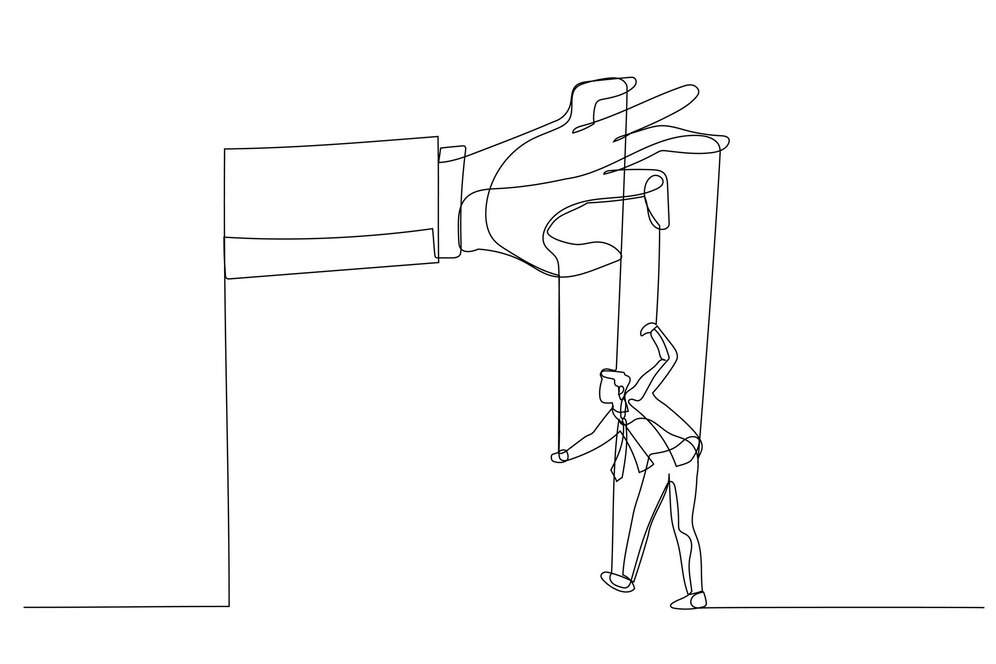
If you’re an aspiring trader in India, especially juggling work or studies with the stock market, you’ve likely felt the same. You promised yourself not to repeat past mistakes—but then it happens. Again.
That voice inside scolds you, “Why can’t I just follow my plan?”
This blog is for you. Let’s break down where this guilt comes from, why it matters, and how to move past it to trade with clarity, not chaos.
1. The Root of Guilt in Trading
Let’s rewind.
Most of us were raised with strong moral values. “Don’t lie,” “Don’t cheat,” “Play safe.” Now step into trading—an environment that often requires you to risk, to lose, to fail and recover. That creates a moral mismatch.
Freud called it the superego—the part of your mind shaped by family, culture, and beliefs. If your family saw trading as gambling, your subconscious may still whisper: “You’re doing something wrong.”
This is the foundation of guilt in trading. It’s not just the loss—it’s the emotional conflict inside you.
“I know this trade was risky… why did I take it anyway?”
“I promised to use stop-loss, but didn’t again.”
🧠 Guilt comes from:
- Breaking your own trading rules
- Going against your core values
- Acting out of emotion, not logic
- Childhood associations of money and risk
2. Why Guilt Is a Double-Edged Sword
Not all guilt is bad. Sometimes, it protects you.
When you risk your emergency funds or ignore your risk management, guilt is your mind’s way of saying, “Stop!”
But here’s the catch—not all losses are mistakes.
Markets are uncertain. You can follow every rule and still lose. That’s where guilt becomes counterproductive.
“A cricket batsman can play a textbook shot and still get caught out. That doesn’t mean the shot was wrong.”
✅ Productive guilt:
- Helps prevent repeated reckless behavior
- Alerts you when you violate your system
❌ Destructive guilt:
- Makes you doubt your every move
- Freezes your decision-making
- Leads to impulsive revenge trading
3. How Guilt Sabotages Your Trading Plan
Every trader has a plan—entries, exits, position size. But guilt kills the plan. Here’s how:
😔 Emotional Rumination:
You dwell on the last loss. You think you’re a “bad trader.” The mind spins:
“Maybe I don’t belong in the market…”
That rumination steals your focus and confidence.
🔁 Impulsive Loops:
You try to “make it right” with the next trade. But guilt-driven trades rarely follow logic.
💣 Discipline Breakdown:
You stop trusting your plan. You overcorrect. You tighten stops, exit early, avoid good setups—all because you fear repeating the “wrong.”
Guilt turns smart traders into anxious ones.
4. Overcoming Emotional Triggers and Guilt
The way out? It starts with emotional awareness.
🔄 Reframe Your Mistakes:
Mistakes are part of the trading journey. Even the best make them. What matters is learning, not punishing.
“Loss is feedback, not failure.”
🛠️ Build a Guilt-Resistance Routine:
- Journaling: After each trade, ask:
- Did I follow my plan?
- If not, why? What was I feeling?
- Did I follow my plan?
- Meditation or breathwork: Calm your nervous system before trading.
- Talk to a mentor or community: You’re not alone. Other traders have the same battles.
🧘 Affirmations That Help:
- “I trade based on process, not perfection.”
- “Every loss teaches me something valuable.”
- “I am not my mistake.”
🔑 Quick Takeaways:
- Guilt signals internal conflict, not always actual error.
- Accept your humanity. Perfection is not required in trading.
- Keep improving the system—not hating yourself.
5. Trading with Confidence, Not with Guilt
Confidence isn’t about always winning. It’s about trusting your process even when you lose.
“A pilot doesn’t quit flying because of turbulence.”
👊 Here’s how to build guilt-free confidence:
- Stick to your risk management like it’s a seatbelt.
- Accept that losses are part of your job.
- Separate outcome from effort. Focus on execution quality, not result.
- Treat trading like a business, not a casino or a moral test.
💡 Desi Analogy:
Just like in a cricket match, you won’t score a century every time. But if you trust your technique, you’ll stay longer at the crease.
🏁 Final Words: Don’t Let Guilt Steer the Ship
“Guilt in trading” can be a quiet thief. It steals your focus, peace, and confidence.
But you can stop it. Start by recognizing it. Reframing it. Replacing it.
Mistakes don’t define you. They refine you.
👉 So, next time you feel guilty—pause, breathe, and ask yourself: What can I learn, and how can I grow?
That’s what a professional trader does.
📣 Call-to-Action
Have you ever felt guilty after a trade? What did you learn from it?
Share your story in the comments or tag a fellow trader who needs this wisdom. Let’s build a guilt-free, growth-focused community of Indian traders!


Leave a Reply