
Overconfidence in trading can be dangerous. Learn how behaviourist psychology explains this mindset trap and how Indian traders can avoid repeating costly mistakes. You’ve been watching a stock chart for hours. It looks like the perfect Elliott Wave pattern. You feel that familiar rush. “It has to work this time… it’s exactly like the last time I made a big profit.” You hit the buy button. No doubt. No hesitation. You’re confident—maybe too confident.
Welcome to one of the trickiest psychological traps in the stock market: overconfidence in trading.
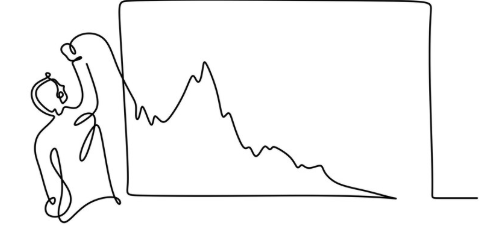
It’s not just about ego. Or hope. Or technical analysis. Sometimes, your brain is simply repeating behaviour that has been “rewarded” in the past—even if it makes no rational sense now. Today, we explore overconfidence from the lens of behavioural psychology, especially through the eyes of B.F. Skinner and Albert Bandura, and what that means for Indian traders caught in the emotional roller coaster of the markets.
🧠 What Is Overconfidence in Trading, Really?
Overconfidence in trading is the belief that you’re right—even when the data doesn’t fully support it. It’s when your gut feeling overpowers rational analysis, often after a streak of previous wins.
But what if this confidence is less about logic, and more about how your brain has been trained?
Case in Point: Ramesh from Mumbai
Ramesh, a 34-year-old retail trader, made 3 solid profits trading intraday patterns in Reliance. Now, every time he sees a similar pattern, his brain expects a win—even if the market context has changed. He’s not analysing; he’s replaying a past reward.
📚 Understanding Overconfidence through a Behaviourist Trading Lens
Let’s drop the psychoanalysis for a moment and focus purely on observable behaviours and rewards—the behaviourist approach.
Skinner’s Reinforcement Theory in Trading
Psychologist B.F. Skinner believed our actions are shaped by reinforcement contingencies—basically, the rewards and punishments we receive.
Key Concept: “A behaviour followed by a reward is more likely to be repeated.”
🎯 In Trading Terms:
- Early win = strong emotional reward (dopamine hit)
- Repeated = conditioned behaviour
- Result = You chase similar trades, even if context doesn’t match
Just like a pigeon pressing a lever for food, you might find yourself pressing that Buy button—not because it’s the right trade, but because it once worked.
The Danger of Partial Reinforcement (Slot Machine Syndrome)
Skinner also discovered that partial or inconsistent rewards lead to the most persistent behaviours.
🎰 Slot Machine Analogy:
- Slot machines don’t reward every time.
- But the occasional jackpot keeps people hooked.
- Similarly, inconsistent trading wins make you believe, “It might work this time.”
Behaviourist Insight: The less reliable your trading strategy is, the harder it is to let go.
Bandura’s Human Twist—Expectation of Reward
Albert Bandura, another psychologist, added a layer of complexity: humans think before they act. We expect rewards, even without evidence.
So, when you say:
“I’ve seen this chart before. It has to work.”
You’re not evaluating. You’re mentally reliving past wins and expecting the same outcome—even if it’s irrational.
🔥 The Indian Trader’s Mind: Culture, Ego, and Past Reinforcement
Desi Angle: Why This Trap Is Common in India
- Cultural conditioning: We are raised to associate success with being “right.”
- Peer validation: A profitable trade gets applause from friends and Telegram groups.
- Risk blind spots: Many Indians see the market as a shortcut to financial freedom—early wins create delusional confidence.
💣 The Price of Overconfidence in Trading
Common Mistakes Made by Overconfident Traders:
- Oversizing positions due to belief in the “perfect setup”
- Ignoring stop-losses
- Chasing trades to prove themselves right
- Misinterpreting patterns because of emotional bias
“I made money on this pattern before” becomes “I must make money now.” Dangerous mindset.
🎯 Mindset Shifts to Break the Reinforcement Loop
1. Awareness Is the First Step
Track your trades. How many “confident trades” were actually profitable? Awareness weakens the reinforcement.
2. Recognize the Reinforcement Cycle
Was that last trade logical or just familiar? Was it rewarded or reinforced randomly?
3. Detach Emotion from Reward
Not every profit is a good trade. Not every loss is a bad trade. Evaluate the process, not the outcome.
4. Use “If–Then” Statements
Rewire the habit loop.
❌ “If I see this pattern, I will enter.”
✅ “If I see this pattern AND the market context confirms AND my plan allows, I will consider entry.”
🧘 H2: Building Emotional Discipline—Your Best Edge
Actionable Steps:
- Journal emotional states during each trade
- Take breaks after wins (to avoid high ego)
- Take breaks after losses (to avoid revenge trading)
- Review weekly, not just daily P&L
- Reward yourself for following rules, not just profits
🔑 Quick Takeaways
- Your trading decisions are conditioned by past rewards.
- Inconsistent rewards create the strongest (and most dangerous) trading habits.
- Confidence ≠ correctness.
- Behavioural reinforcement can blind you to logic.
- Emotional discipline > Technical setup.
💬 Call to Action
Has overconfidence cost you a big loss? Or saved you from one?
👇 Share your story or lesson in the comments below—your experience might help another trader break their cycle.


Leave a Reply