
India emerges as a global economic powerhouse, with the IMF highlighting its pivotal role amid shifting global growth dynamics.
In a world where economic powerhouses like China are experiencing a slowdown, India is stepping up as the new engine of global growth. This shift is not just a statistical anomaly but a testament to India’s evolving economic landscape. The International Monetary Fund (IMF) recently acknowledged India’s pivotal role in the global economy, highlighting its resilience and potential.
IMF’s Acknowledgment of India’s Economic Role
India as a Key Growth Engine
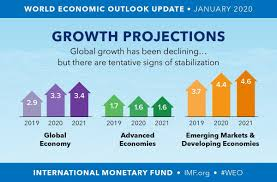
IMF Managing Director Kristalina Georgieva has lauded India as a “key growth engine” of the global economy. She pointed out that while China is experiencing a steady economic deceleration, India is emerging as a significant driver of global growth. This acknowledgment underscores India’s robust economic performance and its increasing influence on the world stage.
Economic Indicators Reflecting Growth
India’s economic indicators further validate the IMF’s assessment. The country recorded a GDP growth of 6.5% in FY2024, with projections of 6.2% for FY2025. In the first quarter of FY2025–26, India’s economy grew by 7.8%, driven by strong domestic consumption and investment. These figures highlight India’s economic resilience and its capacity to maintain growth amidst global uncertainties.
Factors Contributing to India’s Economic Resilience
Robust Domestic Consumption
India’s large and youthful population contributes significantly to its domestic consumption. With a growing middle class and increasing urbanization, demand for goods and services remains strong, fueling economic growth.
Strategic Government Initiatives
The Indian government’s proactive policies, including infrastructure development, digitalization, and ease of doing business reforms, have created a conducive environment for economic growth. These initiatives have attracted foreign direct investment and bolstered domestic industries.
Diversified Economic Base
India’s economy is diversified across various sectors, including agriculture, manufacturing, and services. This diversification reduces dependence on any single sector and provides stability against global economic fluctuations.
India’s Role Amid Global Economic Shifts
China’s Economic Deceleration
China, once the world’s manufacturing hub, is experiencing a steady economic slowdown due to factors like aging population, trade tensions, and structural challenges. This deceleration has led to a shift in global economic dynamics, with India stepping in to fill the void.
Opportunities for India
The changing global landscape presents opportunities for India to enhance its manufacturing capabilities, expand exports, and attract investments. By leveraging its demographic advantage and policy reforms, India can position itself as a global economic leader.
Challenges and Considerations

Infrastructure Development
While India has made significant strides in infrastructure development, there is still a need for continuous investment in areas like transportation, energy, and logistics to support sustained economic growth.
Skill Development
To harness the potential of its youthful population, India must focus on skill development and education to meet the demands of a rapidly evolving job market.
Global Trade Dynamics
Navigating the complexities of global trade, including tariffs and protectionist policies, will require strategic diplomacy and adaptability from India.
Conclusion
India’s emergence as a key growth engine in the global economy is a reflection of its resilience, strategic initiatives, and demographic advantages. As global economic patterns shift, India has the opportunity to lead and shape the future of the world economy. With continued reforms and investments, India can solidify its position as a global economic powerhouse.


Leave a Reply to Lalit Trivedi Cancel reply