
Winning traders succeed by taking decisive action at critical moments. Learn how to overcome passivity and unlock your trading potential.
Have you ever stared at your trading screen, finger hovering over the Buy or Sell button — but just couldn’t pull the trigger?
Maybe you waited too long for the “perfect” setup, or maybe you exited too early, fearing your profits might vanish. If yes, you’re not alone. Thousands of aspiring Indian traders struggle with hesitation, doubt, and emotional paralysis.
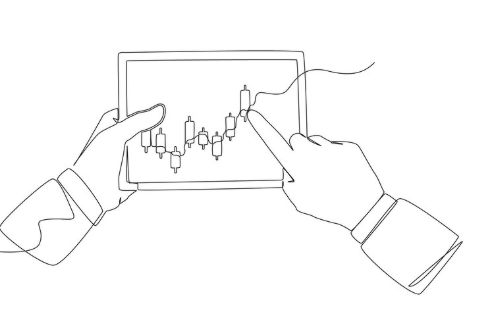
Winning traders take decisive action — not because they know the future, but because they’ve mastered the mental game. They decide when to enter, when to exit, and how much risk to take — quickly and confidently.
If you’re serious about trading success, the real battle isn’t in the market. It’s within your mind.
Let’s decode how to shift from passive to powerful in your trading journey.
🔍 Why Passivity Is the Silent Killer in Trading
Passivity doesn’t always look like inaction. Sometimes, it disguises itself as doing too much — over-researching, overanalyzing, or relying too much on others’ advice.
There are three major types of passive traders, as identified by Dr. Ari Kyiv in his book “The Psychology of Risk”:
- Cautious
- Fearful
- Insecure
Let’s understand how each mindset traps traders — especially in the Indian market context — and what you can do to break free.
💡 Cautious Traders: Paralysis by Analysis
“Should I enter now? Or wait for the RSI to align with the Fibonacci level?”
Sound familiar?
Cautious traders seek the perfect trade setup. They over-rely on data and constantly delay action. But here’s the bitter truth: there’s no perfect trade.
👇 Real-life Example:
Rajeev, a 38-year-old IT professional from Bengaluru, has been paper trading for 18 months. Despite hours of technical analysis, he’s placed only 5 real trades. Why? He’s afraid of being wrong. He wants certainty before he risks capital.
But in the markets, certainty is an illusion. Risk is always present.
✅ Actionable Shifts:
- Set a Time Limit: Give yourself 15 minutes to decide on a trade after your conditions are met.
- Accept Imperfection: No trade will be 100% ideal. Act on your edge, not your emotions.
- Journal Decisions, Not Just Results: Record why you entered or skipped a trade — not just the outcome.
Cricket Analogy: A batsman doesn’t wait for the “perfect” ball every time — they capitalize on opportunity. So should you.
😨 Fearful Traders: Trading to Avoid Losing
Fearful traders don’t trade to win. They trade to avoid loss — which ironically leads to more losses.
They cut winners too early, hold onto losers hoping they’ll recover, or avoid placing trades altogether. The market becomes a source of anxiety, not opportunity.
👇 Real-life Example:
Sneha, a 32-year-old homemaker from Pune, started trading with ₹50,000. After two early losses, she became hesitant. Now, even when her strategy signals a clear buy, she hesitates. Her fear of losing has overridden her will to succeed.
✅ Actionable Shifts:
- Redefine Loss: A loss is not failure. It’s feedback. Embrace it, study it, move on.
- Use Pre-Defined Stop Losses: Don’t fear the red. Accept it as part of the game.
- Visualize Positive Outcomes: Before every session, mentally rehearse a profitable trade.
Driving Analogy: You can’t drive forward while constantly checking your rear-view mirror. Trade with focus, not fear.
👥 Insecure Traders: Outsourcing Decisions
These traders crave approval. They follow Telegram tips, YouTube experts, or friends — because they can’t trust themselves.
If the trade fails, they can blame someone else. But that also means… they never really learn.
👇 Real-life Example:
Kunal, 29, from Delhi, consults 5 different trading groups before every move. His chart is cluttered with 10 indicators. He doesn’t trust his analysis — so he mimics others. But his results? Inconsistent and frustrating.
✅ Actionable Shifts:
- Limit External Noise: Choose 1–2 mentors or sources, and focus.
- Build Confidence through Backtesting: Test your strategy 100 times before live use.
- Own Your Trades: Whether you win or lose — let it be your decision.
Desi Life Analogy: Like choosing your career path, your trading style must reflect your personality, not society’s opinion.
🧠 The Real Reason Winning Traders Take Decisive Action
It’s not knowledge.
It’s not indicators.
It’s self-trust developed through repetition, feedback, and emotional control.
Winning traders act even when they’re unsure. They understand that perfect timing is a myth, but consistency in decision-making builds confidence over time.
“Markets reward those who act, not those who wait for guarantees.”
🧰 How to Build a Decisive Trading Mindset
🔄 Rewire Your Thinking:
- From “I hope it works” → “I’ve managed my risk.”
- From “What if I lose?” → “This trade won’t define me.”
- From “What do others think?” → “What does my system say?”
✅ Use This 3-Step Framework for Every Trade:
- Identify the Setup: Is it aligned with your system?
- Define Risk Clearly: Stop loss, position size, exit levels.
- Take Action Decisively: No room for hesitation once criteria are met.
🧠 What You Should Remember:
- Passivity isn’t laziness. It’s emotional avoidance.
- Caution, fear, and insecurity all stem from not trusting your process.
- Trading decisively doesn’t mean trading impulsively — it means trading with clarity and conviction.
- You don’t need more indicators. You need more self-awareness.
- Start small, take responsibility, and build confidence through action.
📣 Call to Action:
Have you caught yourself hesitating during critical trading moments?
Which passive trait — caution, fear, or insecurity — do you relate to the most?
👉 Share your thoughts in the comments. Let’s learn and grow together.
And if you found this helpful, share it with a fellow trader who needs a mindset shift.


Leave a Reply