
The Trade That Haunts You
Disappointment and regret in trading can cloud your judgment. Learn how Indian traders can manage these emotions and shift to a peak performance mindset.
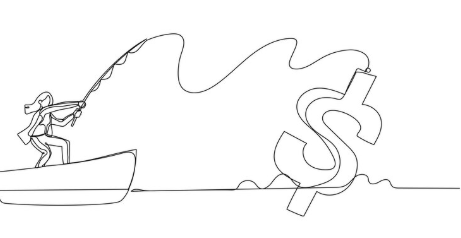
You took that trade because everything seemed to line up perfectly. The charts looked strong, the news was in your favor, and your confidence was high. But within minutes, the market turned — SL hit. You stared at the screen, heart sinking, mind spiraling.
“Why did I even enter this trade?”
“How could I be so wrong?”
Sound familiar?
Every aspiring Indian trader — from a part-time working professional to a full-time market learner — has experienced this emotional rollercoaster. While fear and greed are often blamed for poor decisions, two silent enemies that sabotage our growth are disappointment and regret.
Let’s understand how to disarm these emotions and trade with the calm mindset of a seasoned professional.
Why Disappointment & Regret Hit So Hard in Trading
Trading isn’t just about charts and candlesticks — it’s about expectations. We feel disappointed when a trade doesn’t meet those expectations. And we feel regret when we believe we could have avoided the loss altogether.
Here’s why these emotions become dangerous:
- They cloud our thinking, leading to revenge trades or hesitation.
- They shake our confidence, especially when we’re trying to build consistency.
- They create emotional baggage, which bleeds into our next trade.
🔍 Core Assumption Behind These Emotions:
We subconsciously believe that every trade should be right and losses are unacceptable. But this is a cognitive trap.
The Mindset Shift: Trading Isn’t About Being Right Every Time
🎯 Let’s get one thing straight: trading is not about being right; it’s about being profitable over a series of trades.
Imagine you’re playing a cricket series. Will you expect to win every match? No. But if you win the series, you win overall. Similarly:
- One trade doesn’t define your skill.
- One loss doesn’t mean you’re a bad trader.
- You don’t need a perfect win rate — just a positive expectancy over time.
👉 Once you internalize that losses are part of the process, regret and disappointment lose their power.
🔄 From Emotional Reaction to Rational Response
Disappointment is an Expectation Gap — Narrow the Gap
Disappointment is the result of unmet expectations. But whose expectations?
- Yours.
- And most likely, unrealistic ones.
🧠 Solution:
- Before entering a trade, remind yourself: “This trade could go wrong. Am I emotionally okay with that?”
- Use position sizing and SL discipline to limit damage. You’ll reduce the emotional sting even before it happens.
💡 “Expectation is the root of all heartache.” – Shakespeare
In trading, that’s 100% true.
Regret is a Reflection Error — Zoom Out
Regret comes when we think, “I knew better but still messed up.”
But ask yourself — did you really know the outcome beforehand?
Most often, we’re suffering from hindsight bias.
🧠 Reframe:
- “I made the best decision based on the info I had.”
- “Even the best traders lose. That’s the cost of doing business.”
🔑 Quick Takeaway:
- Don’t tie your self-worth to a trade’s outcome.
- Regret loses its sting when you view each trade as just one in a long journey.
Probabilities vs. Perfection: Think Like a Casino, Not a Gambler
Why Thinking in Series Changes Everything
Professional traders think in terms of series, not single trades.
They accept that:
- Most trades won’t be winners.
- But the edge lies in consistency, discipline, and sticking to the plan.
⚖️ Mindset Shift:
- “This is just trade #14 out of 100.”
- “The outcome doesn’t matter as long as I executed correctly.”
🔁 This shift removes the emotional weight from each trade and reduces regret when things don’t go as planned.
Emotional Overreaction: The Real Enemy
Let’s take a desi example:
You’re driving in traffic and someone cuts you off. You have two options:
- Honk, shout, speed ahead in anger — and maybe get into an accident.
- Breathe, adjust your lane, and continue.
Trading is the same.
You can either:
- React emotionally to a loss.
- Or respond with rational calm, like a professional.
🧘 Emotionally detached trading is not about suppressing emotions — it’s about not letting them drive your decisions.
Practical Strategies to Overcome Disappointment & Regret
1. Use Pre-trade Journaling to Set Realistic Expectations
Before each trade, answer:
- What’s my reason for entry?
- What’s my risk?
- Am I emotionally okay with losing this trade?
This creates emotional clarity, not just strategy clarity.
2. Use Risk Management Like a Shield
Control your risk and losses won’t feel devastating.
- Stick to 2% rule max per trade.
- SL should be where your trade idea is invalidated — not where your heart breaks.
🎯 The smaller the impact, the smaller the regret.
3. Normalize Losses: Track Them Openly
Maintain a loss log. Include:
- Trade setup
- Emotional state
- Learning
By objectifying your losses, you stop seeing them as failures.
🧠 “It’s not failure if you extract a lesson.”
4. Practice Mental Rehearsal
Before market hours, mentally simulate:
- Taking a loss
- Feeling the initial disappointment
- Reframing it as a learning experience
✅ This helps reduce shock and builds resilience.
5. Affirm Your Identity Beyond Trading
You are not your P&L.
Repeat to yourself:
“A losing trade is a cost of growth, not a sign of weakness.”
Don’t attach your self-worth to your net worth.
🧠 What You Should Remember
- Regret and disappointment are common but manageable.
- The expectation of perfection creates emotional pressure.
- Reframe each trade as a probabilistic event, not a personal test.
- Use risk control and mindset tools to regain emotional freedom.
- You are bigger than your last trade.
🏁 Final Word: Train the Mind, Not Just the Chart
Markets don’t just test your strategy. They test your emotions, beliefs, and resilience.
By questioning irrational expectations, embracing losses as part of the journey, and shifting to a probabilistic mindset, you become emotionally untouchable.
So the next time disappointment or regret shows up — welcome them like old friends. You know how to handle them now.
📣 Call to Action:
What’s one trade that caused you deep regret — and what did you learn from it?
👇 Drop your experience in the comments or share this with a fellow trader who needs this mindset shift.


Leave a Reply