
“Sir, I followed a solid setup… still lost big. What went wrong?”
Discover why risk management in trading is essential for Indian traders. Learn how it helps beginners survive and seasoned pros break limits.
If you’re trading in the Indian stock market—whether from a Demat account on your mobile or tracking Nifty levels during lunch breaks—you’ve probably felt this.
You nailed the chart pattern. Checked volumes. Maybe even got the direction right.
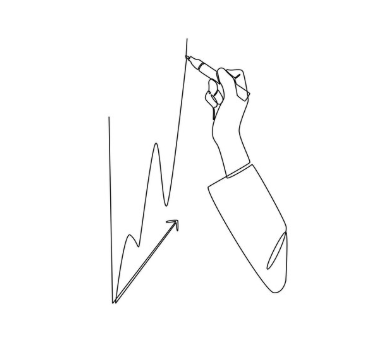
But one wrong bet—and a week’s profit vanishes.
It’s not always your strategy. Sometimes, it’s the lack of risk management—that invisible guardrail that separates survivors from spectacular blowups.
Risk management in trading isn’t glamorous. It’s not what Instagram gurus sell. But ask any trader who’s lasted more than 5 years—they’ll tell you, it’s the real skill behind long-term success.
Let’s break this down, mentor-style.
📚 Why Risk Management is a Trader’s Oxygen
🎯 Primary Truth: No Capital = No Trading
You can make mistakes with strategies. But mess up your capital protection, and you’re out of the game—sometimes forever.
“You can have a crummy trading strategy, but if you have good money management, you can still make money.” – Mark, seasoned trader
Let that sink in.
💡 Desi Analogy: Cricket and Capital
Imagine a cricket match. Your batting strategy may flop today, but you can still survive if you keep wickets in hand.
But if you lose all wickets by over-hitting early?
Game over.
Your capital is your wicket. And risk management keeps it protected.
🔐 The Beginner’s Dilemma: Why Playing It Safe Feels Slow
🚩 Emotional Trap: “I want to make money fast!”
We Indians grow up on stories of fast riches—stock market tips, jackpot IPOs, and cousins who turned ₹10K into ₹10L.
So when beginners start, they want to hit it big, fast.
Common novice mistake:
- Risking 10–20% of capital on one “sure” trade
- Getting wiped out after 2–3 losses
- Quitting in frustration to “rebuild capital”
And then?
They restart… repeat the same cycle.
✅ Mindset Shift: Survival > Speed
If you’re new, your only goal is this:
“Stay in the game long enough to learn it.”
Risking just 1–2% per trade may feel “too slow,” but it’s the only way to reach the level where skill starts paying.
🧠 The Math Behind Smart Risk
📉 Small Losses Hurt Less
Let’s say you have ₹1,00,000.
- Risk 2% = ₹2,000
- Lose 5 trades = ₹10,000 (you still have 90% left to fight another day)
Now risk 20%?
- One loss = ₹20,000
- Five bad trades = 100% wipeout
Simple math. Yet most ignore it.
🎯 What Seasoned Indian Traders Do Differently
🪜 The Asymptote Problem: Breaking Your Own Ceiling
At some point, experienced traders hit a “plateau.”
Their risk management is sound. Returns are steady.
But profits don’t grow beyond a certain mark.
“To reach the next level, you must be willing to bend the rules.” – Chris, full-time trader
So, they selectively take bigger risks when odds tilt massively in their favor.
Yes, it’s dangerous. But they’ve earned that right—because they’ve:
- Studied setups for years
- Faced real drawdowns
- Know exactly when not to play big
📌 Key point: This earned aggression is very different from a beginner’s blind gamble.
💣 Why Most Traders Blow Up in India (And How You Won’t)
❌ Top 5 Risk Management Mistakes by Indian Traders:
- Overleveraging intraday positions
- Risking more after a loss to “recover”
- Not using stop-loss or moving it mentally
- Following telegram tips without position sizing
- Thinking small capital justifies high risk
✅ Tips to Stay Safe and Profitable:
- Risk only 1–2% of total capital per trade
- Always define a stop-loss before entering
- Use position sizing calculators
- Accept drawdowns as part of the game
- Never trade out of FOMO
🔑 What You Should Remember
- Risk management isn’t a strategy; it’s survival.
- Beginners must focus on staying in the game.
- Taking big risks too early ends most trading careers.
- There’s no shortcut—slow, small wins add up.
- Once seasoned, calculated aggression can amplify results.
📱 Real-Life Indian Trader Story: From Blowups to Breakthrough
👉 Rahul, 34, Hyderabad – lost ₹3L in Year 1. “I thought more risk meant faster returns.”
👉 In Year 2, he capped each trade risk to 1.5%, used fixed SL, and shifted focus from returns to discipline.
👉 Result? He ended Year 2 with +12% profit and a clear mindset: “Now I trade for survival first.”
His words:
“Earlier, I was gambling. Now I’m trading.”
🛡️ Is Taking Big Risks Ever Worth It?
Yes—but only if:
- You’ve mastered your process
- You can afford to lose without emotional damage
- You’re sizing it intentionally, not impulsively
📌 For beginners: Avoid it.
📌 For pros: Do it rarely—and only when the risk/reward is astronomical.
“Even if you pick stocks with darts, you can survive if you manage risk.”
That’s how powerful proper risk control is.
🎯 Final Thoughts & Call to Action
Risk management is like a seatbelt—you don’t need it until you really do.
If you’re an aspiring Indian trader trying to grow in this noisy, fast-paced market, remember:
Your real edge isn’t your next winning trade.
It’s your ability to stay alive—long enough to master the market.
👇 Comment below:
What’s your biggest risk management lesson so far? Let’s learn from each other.
📤 Share this blog with a fellow trader who needs a reality check.


Leave a Reply